


This special Saturday edition of PN is made possible by paid subscribers. Become one ⬇️
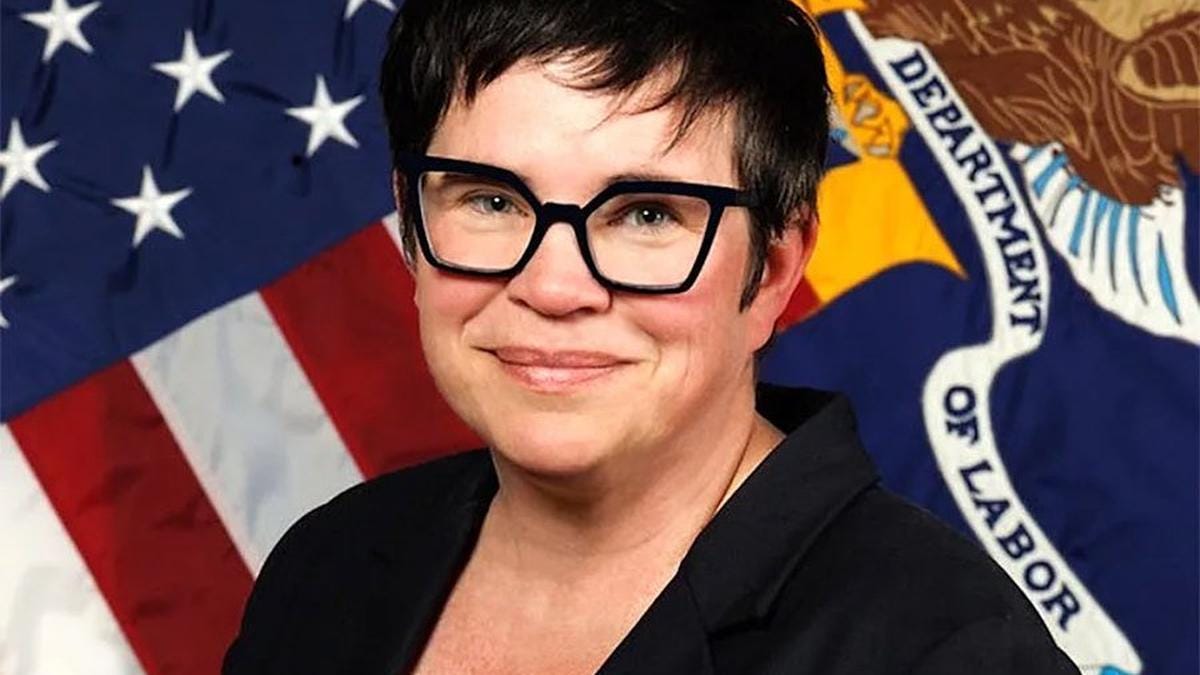
Last August, then-Commissioner of Labor Statistics Erika McEntarfer was thrust into the headlines when Trump fired her for not cooking the books.
“I was just informed that our Country’s ‘Jobs Numbers’ are being produced by a Biden Appointee, Dr. Erika McEntarfer, the Commissioner of Labor Statistics, who faked the Jobs Numbers before the Election to try and boost Kamala’s chances of Victory,” Trump huffed on Truth Social. “I have directed my Team to fire this Biden Political Appointee, IMMEDIATELY. She will be replaced with someone much more competent and qualified.”
Needless to say, McEntarfer, who worked as an economist for the federal government for more than two decades, wasn’t manipulating anything to hurt Trump, whose policies of brutal mass deportation and self-destructive tariffs did plenty of harm all on their own. But she became a scapegoat as Americans soured on Trump’s economic stewardship and the term “stagflation” reentered the lexicon.

Trump’s approval ratings have gone nowhere but down since, even as the macroeconomy has shown some signs of strength. The May jobs report beat expectations, marking three straight strong months of jobs data. And while economic growth has come nowhere near the absurd predictions made by administration hype men like Howard Lutnick, the numbers haven’t been a disaster. Americans, however, still think the economy is terrible — economic sentiment is near record lows.
So as we head toward a midterm campaign cycle where affordability remains a top issue for voters, we checked in with McEntarfer to get her expert perspective on where things stand.
“The data can often surprise you. The US economy has been, over the last six years, I’d say, surprisingly resilient,” she told us.
But McEntarfer added that there’s a gap between the data and sentiment that remains hard to explain.
“There is a disconnect between sentiment about the economy and what economists often call the hard data — jobs, GDP, investments, etc. Some of it is that views on the economy have become more partisan. But even when you control for that, the disconnect is still there," she said. “It’s really still an open question for research, but it’s definitely true that people’s feelings about the economy and the hard data have been a bit disconnected for a while.”

But before we got into the state of the macroeconomy, we asked McEntarfer the question that has been on many minds since she was summarily fired last summer — can we even trust the numbers being released by the federal government while Donald Trump is president? (We’ll save her answer for below the paywall.)
A transcript of McEntarfer chat with Public Notice contributor Thor Benson, lightly edited for clarity, follows. If you’d like to read it and aren’t already a paid subscriber, please consider becoming one. This newsletter (and my work in general) is entirely funded by readers, and paid subscribers are the only reason I’m able to keep everything we publish Monday through Friday free for everyone.
Thor Benson
I’ve seen some people saying we shouldn’t trust the economic numbers coming from the Trump administration, because they let you go after some not-so-great jobs reports last year. What do you say to that?
Erika McEntarfer
